Troubleshooting, Repairs & Advice
Marine Engine
Troubleshooting &
Diagnostics in WA
Identify engine issues early with practical fault finding, accurate diagnostics, and straightforward repair advice for all types of marine engines.
Top 10 Marine Engine Problems With Quick Fixes
Here are the most common marine engine problems you can face. And we are at your service, helping you with detailed troubleshooting, repairs & advice:
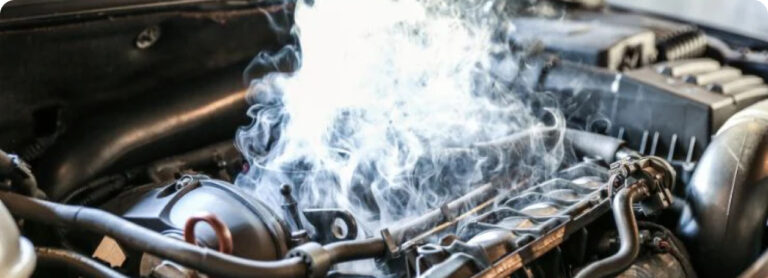
1. Overheating Diesel Engine
Overheating is one of the most serious issues in marine engines because it can quickly escalate into permanent damage, such as warped cylinder heads or blown gaskets.
Why It Happens (In Real Conditions):
Marine engines rely on continuous cooling through seawater or a closed-loop coolant system. In environments like Western Australia, salt, sand, and marine growth frequently restrict this flow.
Common root causes include:
- A worn or broken impeller reduces water circulation
- Blocked seawater intake or strainer
- Internal scaling in a heat exchanger
- Exhaust elbow carbon buildup is restricting water flow
- Collapsing or degraded cooling hoses
What You’ll Notice:
- The temperature gauge is rising steadily or suddenly
- Reduced water discharge from the exhaust outlet
- Steam, burning smell, or white smoke
- Engine losing power under load
DIY Diagnostics (Step-by-Step):
- Check if water is flowing strongly from the exhaust
- Open and clean the seawater strainer
- Inspect the impeller for missing blades
- Remove and test the thermostat in hot water
- Feel hoses for soft spots or collapse under suction
When to Call a Pro:
- Overheating continues after basic checks
- No water flow from the exhaust
- Suspected internal blockage or heat exchanger scaling
- Signs of engine damage (smoke, knocking, power loss)
2. Fuel Contamination (Diesel Bug)
Fuel contamination is a common issue in boats that are not used regularly. It develops silently and often goes unnoticed until engine performance drops significantly.
Why It Happens (Real-World Scenario):
Condensation inside the fuel tank collects at the bottom, creating a breeding ground for bacteria and fungi. These microorganisms produce sludge that clogs filters and fuel lines.
What You’ll Notice:
- The engine runs fine at low speed, but struggles under load
- Frequent clogging of fuel filters
- Black sludge or residue in filters
- Strong, unpleasant smell from fuel
DIY Diagnostics:
- Drain a small fuel sample from the tank bottom
- Check for water separation or dark contamination
- Cut open used fuel filters to inspect buildup
DIY Fix:
- Drain water and contaminants
- Replace primary and secondary fuel filters
- Add a fuel biocide treatment
- Keep the tank full to reduce condensation
When to Call a Pro:
- Heavy sludge inside the tank
- Repeated contamination despite cleaning
- Full fuel system flushing or tank removal required
3. Air in Fuel Lines
Air entering the fuel system can cause sudden engine failure and is often misdiagnosed as a major mechanical issue.
Why It Happens (Hidden Causes):
- Loose or improperly tightened fuel line connections
- Cracked or aging fuel hoses
- Poorly sealed fuel filters
- Worn seals in the fuel pump
What You’ll Notice:
- The engine starts but quickly stalls
- Irregular RPM or surging
- Difficulty restarting after shutdown
- Visible bubbles in fuel lines (if a transparent section exists)
DIY Diagnostics:
- Inspect all fuel line connections for tightness
- Look for cracks or wear in hoses
- Pump primer and observe if air returns
- Install a temporary clear line to detect bubbles
DIY Fix:
- Tighten all fittings securely
- Replace worn hoses instead of reusing them
- Reinstall filters with proper seals
- Bleed the fuel system thoroughly
When to Call a Pro:
- Air keeps entering the system after fixes
- The leak source cannot be identified
- The injection system or fuel pump is suspected
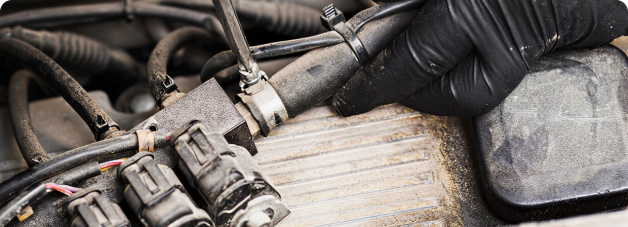
4. Clogged Fuel Injectors
Fuel injectors play a critical role in delivering precise amounts of fuel. Even minor clogging can significantly reduce performance.
Why It Happens:
- Low-quality or contaminated fuel
- Skipping regular filter changes
- Carbon buildup from incomplete combustion
- Prolonged low-speed engine operation
What You’ll Notice:
- Rough idle or uneven engine sound
- Loss of power under load
- Increased fuel consumption
- Delayed throttle response
DIY Diagnostics:
- Compare engine smoothness across RPM ranges
- Listen for inconsistent firing
- Monitor exhaust smoke under acceleration
DIY Fix:
- Use a high-quality diesel injector cleaner
- Remove injectors and clean manually
- Replace injector washers when reinstalling
When to Call a Pro:
- Injectors need calibration or testing
- The spray pattern is uneven
- Engine misfires persist after cleaning
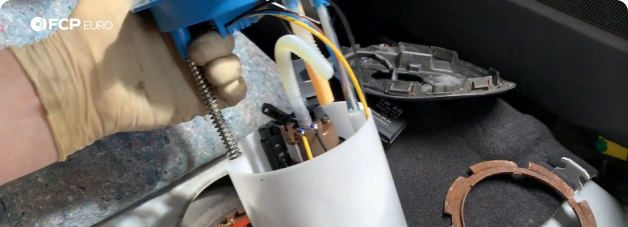
5. Faulty Fuel Pump
The fuel pump ensures consistent fuel delivery at the correct pressure. If it fails, engine performance drops immediately.
Why It Happens:
- Wear and tear over time
- Fuel contamination is damaging internal components
- Electrical faults (in electric fuel pumps)
- Lack of maintenance
- Collapsing or degraded cooling hoses
What You’ll Notice:
- The engine struggles at higher RPMs
- Loss of power under load
- Hard starting or delayed ignition
- Unusual whining or clicking noises
DIY Diagnostics:
- Check fuel flow consistency
- Inspect fuel filters for blockage
- Listen for irregular pump sounds
- Verify electrical connections (if applicable)r
- Feel hoses for soft spots or collapse under suction
DIY Fix:
- Replace clogged filters first
- Ensure proper electrical supply to the pump
- Prime the system after maintenance
When to Call a Pro:
- Fuel pressure is inconsistent
- Pump fails performance tests
- Replacement or system recalibration required
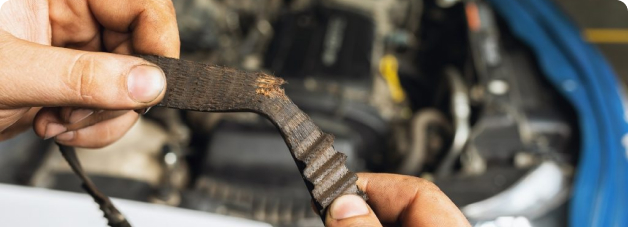
6. Loose or Worn V-Belts
V-belts may seem like minor components, but they drive critical systems such as the alternator and water pump. In many real-world cases, marine engine troubleshooting in WA starts with something as simple as belt failure.
Why It Happens (Field Reality):
- Natural belt stretching over time
- Salt exposure accelerates wear
- Misaligned pulleys are causing uneven tension
- Incorrect installation or over-tightening
What You’ll Notice:
- High-pitched squealing during startup or acceleration
- Engine temperature is rising unexpectedly
- Battery not charging properly
- Visible belt dust around pulleys
DIY Diagnostics:
- Press the belt; excessive slack indicates looseness
- Inspect for cracks, glazing, or fraying
- Check pulley alignment visually
DIY Fix:
- Adjust belt tension to manufacturer specifications
- Replace worn or damaged belts
- Ensure pulleys are aligned correctly
When to Call a Pro:
- The belt keeps loosening or breaking
- Alternator or water pump bearings are affected
- Alignment issues require precision adjustment
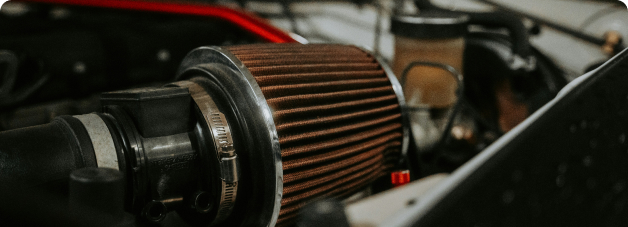
7. Clogged Air Filter
A restricted air supply affects combustion efficiency and can mimic more serious fuel system problems. This is a common finding during boat engine diagnostics in Western Australia, especially in dusty or coastal environments.
Why It Happens:
- Accumulation of dust, salt, and oil particles
- Poor maintenance intervals
- Operating in harsh marine conditions
What You’ll Notice:
- Black exhaust smoke under load
- Sluggish acceleration
- Increased fuel consumption
- Engine feeling “restricted”
DIY Diagnostics:
- Remove the filter and inspect for heavy dirt buildup
- Run engine briefly without filter (test only) to see improvement
- Check intake housing for debris
DIY Fix:
- Clean filter using compressed air (if reusable)
- Replace if clogged or damaged
- Inspect intake ducting for obstructions
When to Call a Pro:
- The problem persists after filter replacement
- Suspected turbocharger or intake restriction
- Airflow imbalance affecting engine performance
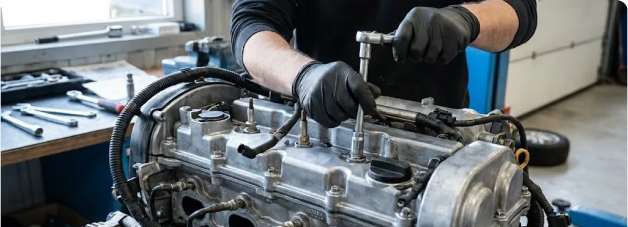
8. Faulty Glow Plugs
Glow plugs are essential for reliable cold starts in diesel engines. Many service calls for Yanmar engine troubleshooting in Western Australia involve glow plug failures, especially in engines that sit unused.
Why It Happens:
- Wear over time
- Electrical faults in wiring or relay
- Carbon buildup reduces heating efficiency
- Poor fuel quality is accelerating damage
What You’ll Notice:
- Hard starting, especially in cooler conditions
- Long cranking before the engine fires
- Rough idle immediately after startup
- White smoke during startup
DIY Diagnostics :
- Use a multimeter to check resistance
- Inspect the glow plug relay and wiring
- Verify voltage supply to plugs
DIY Fix
- Replace faulty glow plugs (ideally as a set)
- Clean electrical connections
- Ensure battery voltage is strong
When to Call a Pro:
- Multiple glow plugs fail simultaneously
- Electrical system faults suspected
- The engine still struggles to start after the replacement
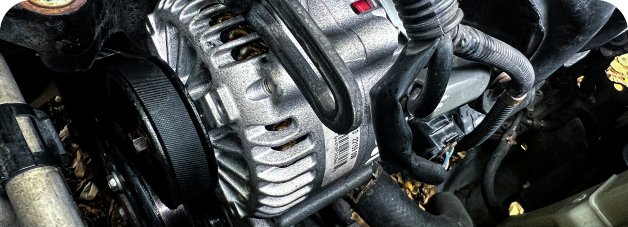
9. Alternator Issues
A failing alternator can leave you without power at sea, making it a critical issue in marine mechanic advice in WA scenarios.
Why It Happens:
- Worn internal components (brushes, bearings)
- Loose or slipping belts
- Corroded or loose electrical connections
- Faulty voltage regulator
What You’ll Notice:
- Battery warning light on the dashboard
- Flickering or dim electronics
- Battery not charging properly
- Burning smell or unusual noise
DIY Diagnostics:
- Measure battery voltage while the engine is running (should be ~13.8–14.5V)
- Inspect belt tension and condition
- Check wiring for corrosion or looseness
DIY Fix:
- Tighten or replace the belt
- Clean and secure electrical connections
- Test and replace the voltage regulator if needed
When to Call a Pro:
- Voltage output is unstable
- Alternator overheats or makes a grinding noise
- Full replacement required
Pro Insight:
Accurate Volvo Penta fault-finding in WA often involves alternator diagnostics, as modern systems rely heavily on stable electrical output.
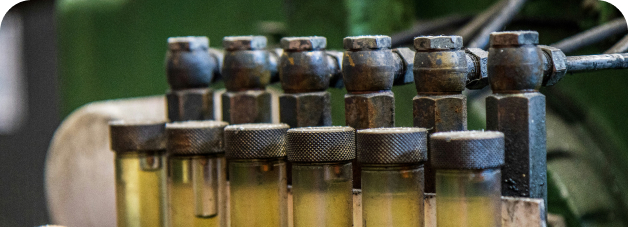
10. Oil Oxidation & Poor Lubrication
Oil degradation is a slow but serious issue that affects long-term engine health. It’s frequently identified during professional boat engine diagnostics in Western Australia, particularly in vessels that sit idle for long periods.
Why It Happens:
- Long storage without engine use
- Exposure to oxygen causes oil breakdown
- Moisture contamination inside the engine
- High operating temperatures accelerate oxidation
What You’ll Notice:
- Thick, dark, sludgy oil
- Increased engine noise or friction
- Reduced performance
- Rising engine temperature
DIY Diagnostics :
- Check oil consistency and colour on dipstick
- Look for sludge deposits
- Monitor oil pressure readings
DIY Diagnostics :
- Perform a full oil and filter change
- Use high-quality marine-grade oil
- Run the engine periodically to circulate oil
When to Call a Pro:
- Severe sludge buildup inside the engine
- Oil pressure issues
- Signs of internal engine wear
Engine-Specific Troubleshooting (Diesel Engines – WA)
Accurate marine engine troubleshooting in WA starts with identifying the right symptom. Use the tables below to quickly diagnose common issues before seeking professional help.
1. Diesel Engine Stalling
Engine stalling is one of the most frequent issues in diesel boats and is usually linked to fuel delivery or electrical faults. In many Yanmar engine troubleshooting cases in Western Australia, the root cause is something small but easily overlooked like air leaks or clogged filters.
Cause
- Air in Fuel System
- Fuel Contamination
- Clogged Fuel Filters
- Faulty Fuel Pump
- Injector Problems
- Electrical Faults
Symptoms
- Starts then dies, uneven RPM
- Stalls under load, clogged filters
- Power loss, engine shuts down
- Irregular running, shutdown
- Rough running, misfire
- Random cut-outs
Quick Fix
- Bleed system, tighten hoses
- Replace filters, use biocide
- Replace filters
- Check fuel flow, wiring
- Clean injectors
- Check battery & wiring
When to Call a Pro
- Air keeps returning
- Heavy tank contamination
- Repeated clogging
- Pressure inconsistency
- Calibration needed
- ECU/sensor issues
2. Diesel Engine Overheating
Overheating is a serious problem that can quickly lead to costly damage if not addressed early. In boat engine diagnostics in Western Australia, cooling system issues are extremely common due to saltwater exposure, debris, and marine growth affecting flow.
Cause
- Blocked Water Intake
- Worn Impeller
- Clogged Heat Exchanger
- Faulty Thermostat
- Exhaust Elbow Blockage
- Coolant System Issue
Symptoms
- Weak water flow, rising temp
- No/low water discharge
- Gradual overheating
- Rapid temp increase
- Overheating + restricted exhaust
- Temp fluctuations
Quick Fix
- Clean intake & strainer
- Replace impeller
- Flush system
- Replace thermostat
- Replace thermostat
- Top up coolant, check leaks
When to Call a Pro
- Internal blockage
- Debris inside system
- Chemical cleaning needed
- Issue persists
- Severe corrosion
- Pump/internal failure
3. Prop Shaft Vibrations
Vibrations are often mistaken for engine faults, but in reality, they are usually caused by drivetrain or alignment issues. This is a key area in marine mechanic advice in WA, where proper diagnosis prevents unnecessary engine repairs.
Cause
- Blocked Water Intake
- Worn Impeller
- Clogged Heat Exchanger
- Faulty Thermostat
- Exhaust Elbow Blockage
- Coolant System Issue
Symptoms
- Weak water flow, rising temp
- No/low water discharge
- Gradual overheating
- Rapid temp increase
- Overheating + restricted exhaust
- Temp fluctuations
Quick Fix
- Clean intake & strainer
- Replace impeller
- Flush system
- Replace thermostat
- Replace thermostat
- Top up coolant, check leaks
When to Call a Pro
- Internal blockage
- Debris inside system
- Chemical cleaning needed
- Issue persists
- Severe corrosion
- Pump/internal failure
5 Safety Warnings for Marine Engine Troubleshooting
Always follow these essential safety precautions before attempting any repairs or diagnostics on your marine engine.
1.
High Temperature &
Pressure Risks
Never open a hot cooling system and always allow the engine to cool completely before inspection to avoid serious burns from pressurised coolant and hot components.
2.
Electrical
Hazards
Always disconnect the battery before working on electrical systems to prevent shocks, short circuits, or accidental sparks near sensitive components.
3.
Fuel & Fire
Risks
Avoid fuel leaks and fumes by working in a well-ventilated area and keeping a fire extinguisher nearby, as marine fuel systems are highly flammable.
4.
Moving Parts
& Mechanical Danger
Stay clear of belts, pulleys, and rotating components, and never inspect or work on the engine while it is running.
5.
Safe Working
Conditions
Ensure the boat is stable, use proper marine-grade tools, and wear protective gear like gloves and eye protection to reduce the risk of injury.
Must Have Marine Parts Checklist
Use this checklist to ensure you’re selecting the right parts and avoiding common mistakes when troubleshooting marine engines.

- Use genuine or OEM parts for critical systems
- Confirm exact engine model before purchasing
- Check part numbers for compatibility
- Replace filters, belts, and service parts together
- Inspect old parts to identify the root cause
- Avoid low-quality or unverified aftermarket components
- Ensure parts are marine-grade (not automotive substitutes)
- Get expert advice if unsure before buying
- Double-check installation requirements
- Test engine performance after replacement
Frequently Asked Questions
What are the most common causes of marine engine failure?
The majority of failures come from cooling system issues (blocked intake, failed impeller, heat exchanger scaling) and fuel-related problems such as contamination or clogged filters. In WA conditions, salt, debris, and infrequent use increase these risks.
How can I tell if my marine engine problem needs professional diagnostics?
Is it safe to use aftermarket parts for marine engines?
What causes loss of power in a boat engine?
Get Your Engine Back on the Water
Fast, reliable marine engine troubleshooting and diagnostics in WA are done right the first time. Contact Mariner Mechanical Services today to book your inspection and get back on the water with confidence.